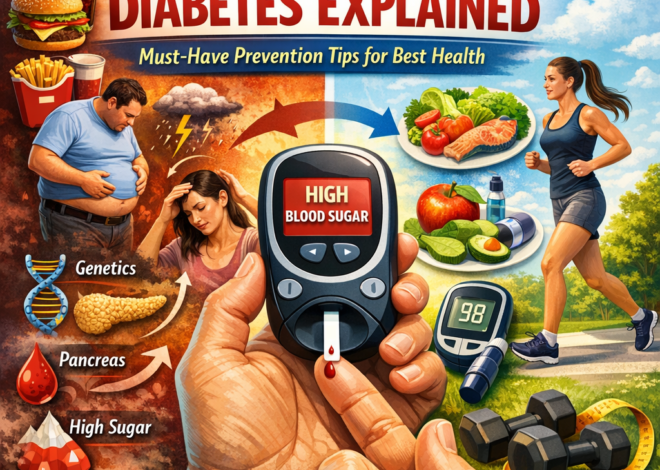
Early Signs of Diabetes: Must-Have Guide to Spot Type 2 Symptoms
Early Signs of Diabetes: Must-Have Guide to Spot Type 2 Symptoms
Recognizing early signs of diabetes is crucial in managing the disease effectively and preventing serious complications. Type 2 diabetes, the most common form, often develops gradually, and symptoms can be subtle or even go unnoticed in the initial stages. Understanding the early warning signs can prompt timely medical consultation, lifestyle adjustments, and intervention to keep blood sugar levels under control.
In this guide, we’ll explore the typical diabetes symptoms with a focus on type 2 diabetes symptoms, helping you or your loved ones identify potential red flags before the condition progresses.
—
Why Early Detection of Type 2 Diabetes Symptoms Matters
Type 2 diabetes arises when your body becomes resistant to insulin or when the pancreas fails to produce enough insulin. This leads to high blood sugar, which, over time, damages organs, nerves, and blood vessels. Detecting diabetes symptoms early gives individuals the best chance to:
– Manage blood glucose levels effectively
– Reduce the risk of complications such as cardiovascular disease, kidney failure, and vision loss
– Improve overall quality of life through lifestyle changes and medication if necessary
Because these symptoms often develop slowly, many people may live with undiagnosed diabetes for years. This underlines the importance of knowing what to look for.
—
Common Early Signs of Diabetes You Shouldn’t Ignore
Recognizing early signs of diabetes involves observing subtle changes in your body. Here are some of the most common symptoms associated with type 2 diabetes:
1. Frequent Urination and Increased Thirst
High blood sugar levels force the kidneys to work harder to filter and absorb the excess glucose. When they can’t keep up, glucose spills into the urine, pulling more water along with it. This causes increased urination (polyuria), leading to dehydration, which then triggers excessive thirst (polydipsia).
If you find yourself waking up several times a night to urinate and feeling constantly thirsty, it may be time to check your blood sugar.
2. Unexplained Fatigue
Feeling unusually tired despite adequate rest can be an overlooked diabetes symptom. When insulin isn’t used effectively, your body’s cells can’t absorb glucose for energy. This energy shortage results in persistent fatigue.
3. Blurred Vision
Elevated blood sugar can cause fluids to be pulled from the lenses of your eyes, affecting your ability to focus. Blurred vision can fluctuate and may improve once glucose levels stabilize, but persistent changes indicate the need for evaluation.
4. Slow-Healing Wounds and Frequent Infections
High glucose levels can impair blood flow and weaken the immune system, making it harder for wounds to heal and increasing susceptibility to infections. If you notice cuts or bruises taking longer than usual to heal or recurring infections, this could signal undiagnosed diabetes.
5. Unexpected Weight Changes
While weight loss is more common in type 1 diabetes, some people with type 2 can also experience unexplained weight loss. Insulin resistance or insufficient insulin means your body can’t efficiently use glucose, prompting it to burn fat and muscle for energy instead.
Conversely, some people with type 2 diabetes might experience weight gain due to poor metabolism and insulin imbalance.
—
Less Common but Important Type 2 Diabetes Symptoms
Besides the typical symptoms, keep an eye out for other signs that may appear as diabetes progresses:
– Tingling or Numbness in Hands or Feet: Known as diabetic neuropathy, prolonged elevated blood sugar can damage nerves, causing a tingling sensation or numbness.
– Darkened Skin Patches: A condition called acanthosis nigricans manifests as dark, velvety patches on the neck, armpits, or groin, often linked with insulin resistance.
– Increased Hunger: Known as polyphagia, this symptom arises as your body tries to compensate for cells not getting enough glucose.
—
When to See a Doctor: Taking Action on Early Signs of Diabetes
If you notice one or more of these signs, especially if you have risk factors like a family history of diabetes, obesity, or sedentary lifestyle, it’s important to consult a healthcare professional promptly. A simple blood test such as fasting glucose or HbA1c can confirm whether you have diabetes or prediabetes.
Early diagnosis allows for interventions that can halt or even reverse the progression of type 2 diabetes, including:
– Dietary changes focusing on low glycemic foods
– Regular physical activity
– Weight loss and management
– Medication when necessary
—
Preventing the Onset of Type 2 Diabetes
Understanding early signs of diabetes can also motivate preventive measures. Lifestyle choices have a significant impact on the risk of developing type 2 diabetes. Key strategies include:
– Maintaining a healthy weight
– Engaging in at least 150 minutes of moderate exercise per week
– Eating a balanced diet rich in whole grains, vegetables, lean proteins, and healthy fats
– Avoiding tobacco use and limiting alcohol intake
Regular screening is recommended for individuals over 45 or younger adults with risk factors.
—
Final Thoughts
Being aware of diabetes symptoms, especially the early signs of type 2 diabetes, empowers you to act swiftly and proactively. Don’t ignore persistent changes in your body—what may seem minor could point to a developing health issue that requires attention. Early detection and management are your best tools for living well with or preventing type 2 diabetes.
Take charge of your health today by learning these signs and seeking professional advice if you’re concerned. Your future self will thank you!