

Causes of Diabetes Explained: Must-Have Prevention Tips for Best Health
Causes of Diabetes Explained: Must-Have Prevention Tips for Best Health
Understanding the causes of diabetes is essential in managing and preventing this chronic condition that affects millions worldwide. Diabetes is a complex metabolic disorder characterized by elevated blood sugar levels due to the body’s inability to produce or effectively use insulin. This condition can lead to serious health complications if not properly addressed. In this article, we’ll dive into why diabetes happens, the various factors that contribute to its development, and share practical diabetes prevention tips to help you maintain optimal health.
Why Diabetes Happens: Understanding the Root Causes
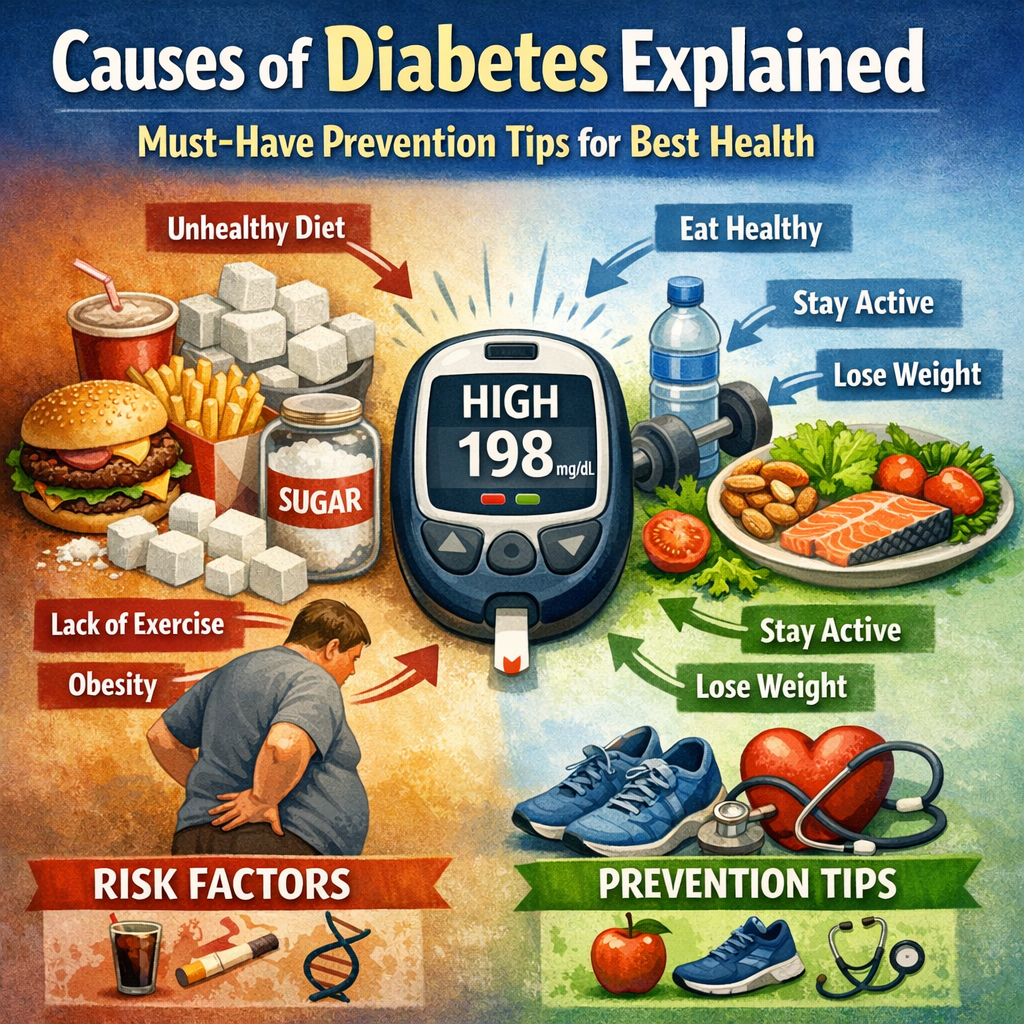
Diabetes primarily occurs when the body fails to regulate glucose, a vital energy source, due to insulin-related problems. There are two main types of diabetes—Type 1 and Type 2—and each has different causes and risk factors.
Type 1 Diabetes Causes
Type 1 diabetes is an autoimmune disorder where the immune system mistakenly attacks insulin-producing beta cells in the pancreas. This results in little or no insulin production, which leads to high blood sugar levels. While the exact cause is not fully understood, genetic predisposition and certain environmental triggers, such as viral infections, are believed to play a role.
Type 2 Diabetes Causes
Most cases of diabetes worldwide are Type 2, which develops due to insulin resistance. In this case, the body’s cells become less responsive to insulin, necessitating increased insulin production to maintain normal blood sugar levels. Over time, the pancreas can no longer keep up, leading to elevated glucose in the bloodstream. Key causes include:
– Poor Diet: High intake of processed foods, sugary drinks, and excessive carbohydrates can increase risk.
– Physical Inactivity: Lack of regular exercise contributes to insulin resistance.
– Excess Weight: Obesity, especially around the abdomen, is strongly linked to Type 2 diabetes.
– Genetic Factors: Family history can increase susceptibility.
– Age and Ethnicity: Risk increases with age and is higher in certain ethnic groups.
Other Types and Causes
Aside from the common types, gestational diabetes occurs during pregnancy due to hormonal changes that affect insulin function. Additionally, certain medical conditions, medications, and endocrine disorders can cause diabetes.
Key Causes of Diabetes: A Closer Look
Insulin Resistance and Beta Cell Dysfunction
In Type 2 diabetes, both insulin resistance and beta cell dysfunction are critical factors. Initially, the pancreas compensates for insulin resistance by producing more insulin. However, prolonged stress on beta cells leads to their decline and eventual failure, manifesting as hyperglycemia.
Lifestyle and Environmental Influences
Modern lifestyle choices significantly contribute to diabetes risk. Sedentary habits, unhealthy diets rich in added sugars and unhealthy fats, and chronic stress all increase the likelihood of developing the disease. Environmental toxins and pollutants may also impact pancreatic function, although research in this area is ongoing.
Genetic Predisposition
While lifestyle strongly influences diabetes development, genetics also play an important role. Several genes associated with insulin production and glucose metabolism increase individual susceptibility, though these factors often interact with environmental triggers.
Diabetes Prevention Tips for a Healthier Future
Fortunately, many cases of Type 2 diabetes can be prevented or delayed through simple but effective lifestyle changes. Implementing these diabetes prevention tips can help keep your blood sugar levels in check and reduce your risk.
1. Maintain a Balanced Diet
Focus on nutrient-dense foods such as vegetables, whole grains, lean proteins, and healthy fats. Limit consumption of sugary foods and beverages, processed snacks, and high-fat fast foods. Incorporate fiber-rich foods which slow glucose absorption and enhance satiety.
2. Engage in Regular Physical Activity
Aim for at least 150 minutes of moderate aerobic exercise per week, such as brisk walking, cycling, or swimming. Exercise improves insulin sensitivity, helps with weight control, and boosts overall metabolic health.
3. Achieve and Maintain a Healthy Weight
Losing even a small percentage of body weight can significantly reduce diabetes risk. Focus on sustainable weight management strategies that combine diet, exercise, and behavioral changes.
4. Monitor Blood Sugar and Regular Health Check-ups
Especially if you have risk factors like family history or prediabetes, regular screenings can catch blood sugar irregularities early. Early intervention can prevent progression to diabetes.
5. Manage Stress Effectively
Chronic stress impacts blood sugar regulation through hormonal imbalances. Practice stress management techniques such as mindfulness meditation, yoga, or breathing exercises.
6. Get Adequate Sleep
Poor sleep quality and duration can affect insulin sensitivity. Aim for seven to eight hours of restful sleep each night.
7. Avoid Smoking and Excessive Alcohol Use
Both habits are linked to insulin resistance and increased diabetes risk, in addition to other health complications.
Conclusion
The causes of diabetes are multifaceted, involving genetic, environmental, and lifestyle factors. By understanding why diabetes happens, individuals can adopt effective prevention strategies to protect their health. Incorporating balanced nutrition, regular exercise, weight management, stress reduction, and routine health monitoring are powerful tools for minimizing diabetes risk. Taking these steps today can ensure better health outcomes and improve quality of life for the future. Remember, prevention is always better than cure, especially when it comes to managing chronic diseases like diabetes.
